In the fast-evolving world of food production, an ERP for food manufacturing isn’t just a luxury—it’s a necessity. From recipe management to compliance tracking, the right system streamlines operations, boosts traceability, and drives profitability with precision.
What Is ERP for Food Manufacturing?

Enterprise Resource Planning (ERP) systems tailored for food manufacturing are specialized software platforms designed to integrate and manage core business processes across the entire production lifecycle. Unlike generic ERP solutions, these are built to handle the unique challenges of food production, including perishable inventory, strict regulatory compliance, batch tracking, and complex recipe formulations.
Core Components of Food Manufacturing ERP
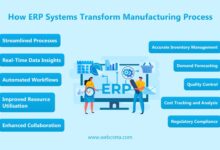
A robust ERP for food manufacturing typically includes modules for inventory management, production planning, quality control, supply chain logistics, financials, and compliance reporting. These components work in unison to provide real-time visibility across operations. For example, inventory modules track raw materials by lot and expiration date, while production modules manage bill of materials (BOM) and batch records with precision.
- Inventory & Batch Management
- Production Scheduling & Recipe Control
- Quality Assurance & Compliance Tracking
How It Differs from Generic ERP Systems
Standard ERP systems are not equipped to handle the nuances of food safety regulations like FDA’s FSMA, USDA requirements, or EU food labeling laws. A specialized ERP for food manufacturing includes built-in compliance tools, allergen tracking, shelf-life monitoring, and full traceability from farm to fork. This level of specificity ensures that food manufacturers can meet audit requirements and reduce recall risks significantly.
“A food-safe ERP isn’t just about efficiency—it’s about accountability, transparency, and consumer trust.” — Industry Expert, Food Safety Magazine
Why Food Manufacturers Need ERP Systems
The food manufacturing industry operates under intense pressure: shrinking margins, rising consumer expectations, and ever-tightening regulations. An ERP for food manufacturing acts as the central nervous system of the operation, connecting departments and data streams that would otherwise function in silos. This integration leads to faster decision-making, reduced waste, and improved responsiveness to market changes.
Challenges in the Food Manufacturing Industry
Food producers face a unique set of operational hurdles. Perishable goods require precise inventory turnover tracking. Seasonal demand fluctuations strain production planning. Supply chain disruptions—such as weather events or geopolitical issues—can delay raw material delivery. Additionally, food safety incidents can lead to costly recalls and brand damage. Without a centralized system, managing these variables becomes chaotic and error-prone.
- Perishable inventory spoilage
- Regulatory compliance complexity
- Supply chain volatility
The Role of ERP in Solving Industry Pain Points
An ERP for food manufacturing directly addresses these challenges by automating critical workflows. For instance, real-time inventory tracking prevents overstocking of perishable items, reducing waste. Automated compliance reporting ensures that all documentation is audit-ready. Integration with suppliers allows for proactive procurement planning, minimizing downtime. By consolidating data into a single source of truth, ERP systems empower managers to make informed decisions quickly.
Key Features of ERP for Food Manufacturing
The most effective ERP systems for food manufacturers go beyond basic accounting and inventory functions. They offer advanced capabilities specifically designed for the complexities of food production. These features ensure operational excellence, regulatory adherence, and long-term scalability.
Batch and Lot Tracking
One of the most critical features of an ERP for food manufacturing is batch and lot tracking. This functionality allows manufacturers to trace every ingredient used in a product back to its origin. In the event of a contamination or recall, companies can quickly identify affected batches and limit the scope of the issue. This not only protects consumers but also minimizes financial loss and reputational damage.
- Forward and backward traceability
- Real-time lot status updates
- Integration with barcode/RFID systems
According to the FDA’s FSMA guidelines, traceability is a mandatory requirement for many food producers, making this ERP feature indispensable.
Recipe and Formula Management
Food manufacturing relies heavily on consistent recipes and formulations. ERP systems enable precise management of formulas, including ingredient proportions, processing steps, and packaging instructions. Changes to recipes are version-controlled and approved through workflow systems, ensuring consistency across production runs. This is especially important for companies producing allergen-free or organic products, where even minor deviations can lead to compliance violations.
- Version control for recipes
- Allergen and nutrient labeling support
- Scalability from R&D to full production
Compliance and Regulatory Reporting
Food manufacturers must comply with a wide range of regulations, including HACCP, GMP, SQF, BRCGS, and ISO 22000. ERP systems for food manufacturing include built-in templates and audit trails that simplify compliance. Automated reporting tools generate required documentation for internal audits and regulatory submissions, reducing manual effort and human error.
“With the right ERP, compliance isn’t a burden—it’s a built-in feature.” — Food Engineering Review
Top ERP Solutions for Food Manufacturing
Several ERP vendors offer specialized solutions for the food and beverage industry. Each platform has its strengths, depending on company size, production complexity, and integration needs. Choosing the right ERP for food manufacturing requires careful evaluation of features, scalability, and vendor support.
Oracle NetSuite ERP
Oracle NetSuite is a cloud-based ERP solution widely used in mid-sized to large food manufacturing companies. It offers robust inventory management, demand planning, and financial controls. Its food-specific features include lot tracking, recipe management, and compliance reporting. NetSuite integrates seamlessly with eCommerce platforms, making it ideal for companies selling directly to consumers.
- Cloud-native architecture
- Real-time analytics dashboard
- Global compliance support
Learn more at NetSuite Food & Beverage Solutions.
Infor CloudSuite Food & Beverage
Infor provides a comprehensive ERP suite tailored for food manufacturers, with deep functionality in production scheduling, quality control, and supply chain visibility. Its advanced planning tools help optimize raw material usage and reduce waste. Infor’s system supports both batch and continuous production processes, making it suitable for diverse food categories—from dairy to packaged snacks.
- Advanced production scheduling
- Integrated quality management
- AI-driven demand forecasting
Explore Infor’s capabilities at Infor Food & Beverage.
SAP Business One for Food Industry
SAP Business One is a popular choice for small to mid-sized food manufacturers. It offers strong financial management, inventory control, and production planning features. With add-ons for traceability and compliance, SAP Business One can be customized to meet specific regulatory requirements. Its user-friendly interface and modular design make it easy to scale as the business grows.
- Modular, scalable design
- Strong financial and operational reporting
- Integration with SAP’s larger ecosystem
Visit SAP Business One for more information.
Implementing ERP in Food Manufacturing: Best Practices
Implementing an ERP for food manufacturing is a significant undertaking that requires strategic planning, stakeholder alignment, and change management. A poorly executed rollout can lead to operational disruptions, data inaccuracies, and employee resistance. Following best practices ensures a smoother transition and faster return on investment.
Assessing Business Needs and Goals
Before selecting an ERP system, manufacturers must conduct a thorough assessment of their current processes, pain points, and future goals. Key questions include: What are the biggest inefficiencies? Which departments need better integration? Are there upcoming regulatory changes? This evaluation helps define the scope of the ERP implementation and ensures the chosen solution aligns with business objectives.
- Map existing workflows
- Identify key performance indicators (KPIs)
- Engage cross-functional teams in planning
Choosing the Right Vendor and Deployment Model
Food manufacturers must decide between on-premise, cloud-based, or hybrid ERP deployments. Cloud solutions offer faster implementation, lower upfront costs, and automatic updates, making them ideal for growing businesses. On-premise systems provide greater control over data and customization but require more IT resources. When evaluating vendors, consider their industry expertise, customer support, and integration capabilities.
- Evaluate total cost of ownership (TCO)
- Check vendor references in the food industry
- Assess scalability and mobile access
Training and Change Management
User adoption is one of the biggest challenges in ERP implementation. Employees may resist new systems due to fear of change or lack of understanding. Comprehensive training programs, clear communication, and leadership buy-in are essential. Phased rollouts, pilot testing, and feedback loops help identify issues early and build confidence among users.
erp for food manufacturing – Erp for food manufacturing menjadi aspek penting yang dibahas di sini.
“Technology is only as good as the people using it. Training is not an afterthought—it’s a cornerstone of success.” — ERP Implementation Consultant
How ERP Improves Traceability and Food Safety
Traceability is a cornerstone of food safety, and an ERP for food manufacturing enhances this capability like no other tool. In an era where consumers demand transparency and regulators enforce strict accountability, the ability to track every ingredient through the supply chain is non-negotiable.
From Farm to Fork: Full Supply Chain Visibility
Modern ERP systems enable end-to-end traceability by linking suppliers, production batches, distribution channels, and retail outlets. When a raw material is received, its lot number, supplier, and test results are recorded in the system. As it moves through production, each transformation is logged. If a contamination is detected, the ERP can instantly identify all products containing that ingredient, enabling targeted recalls instead of broad, costly withdrawals.
- Real-time supplier data integration
- Automated batch genealogy reports
- Integration with blockchain for enhanced transparency
Reducing Recall Risks and Costs
The financial and reputational impact of a food recall can be devastating. According to the FDA, the average cost of a recall exceeds $10 million, not including brand damage. An ERP for food manufacturing reduces this risk by ensuring compliance, improving quality control, and enabling rapid response. With accurate data at their fingertips, manufacturers can act swiftly to contain issues before they escalate.
- Automated alert systems for expired lots
- Digital audit trails for regulators
- Integration with lab testing systems
ERP for Food Manufacturing and Sustainability
Sustainability is no longer optional in the food industry. Consumers, investors, and regulators are demanding environmentally responsible practices. An ERP for food manufacturing plays a crucial role in supporting sustainability initiatives by optimizing resource use, reducing waste, and improving energy efficiency.
Reducing Waste Through Better Inventory Management
Food waste is a major issue in manufacturing, with billions of dollars lost annually due to spoilage and overproduction. ERP systems help minimize waste by providing accurate demand forecasting, real-time inventory visibility, and expiration date tracking. Automated alerts notify staff when items are nearing their use-by date, allowing for timely use or discounting.
- Dynamic shelf-life monitoring
- First-Expired, First-Out (FEFO) logic
- Waste tracking and reporting
Energy and Resource Efficiency
Advanced ERP systems can integrate with IoT sensors and production equipment to monitor energy consumption, water usage, and carbon emissions. This data helps manufacturers identify inefficiencies and implement greener practices. For example, optimizing production schedules to run during off-peak energy hours can reduce costs and environmental impact.
- Real-time energy consumption dashboards
- Carbon footprint tracking
- Sustainability reporting for ESG compliance
Future Trends in ERP for Food Manufacturing
The future of ERP for food manufacturing is being shaped by emerging technologies such as artificial intelligence, machine learning, the Internet of Things (IoT), and blockchain. These innovations are transforming how food companies operate, making systems smarter, faster, and more resilient.
AI and Predictive Analytics
AI-powered ERP systems can analyze historical data to predict demand fluctuations, optimize production schedules, and even anticipate equipment failures. Predictive maintenance alerts help prevent costly downtime. In quality control, AI can detect anomalies in real-time, reducing the risk of defective products reaching consumers.
- Demand forecasting with machine learning
- Predictive maintenance for machinery
- Automated quality inspection alerts
Blockchain for Enhanced Transparency
Blockchain technology is gaining traction in food manufacturing for its ability to provide immutable, transparent records of every transaction in the supply chain. When integrated with an ERP for food manufacturing, blockchain enables consumers to scan a QR code and see the entire journey of their food—from farm to table. This level of transparency builds trust and differentiates brands in a competitive market.
- Immutable audit trails
- Consumer-facing traceability apps
- Supplier verification through smart contracts
Cloud and Mobile Accessibility
The shift to cloud-based ERP systems continues to accelerate, offering greater flexibility, scalability, and remote access. Mobile ERP apps allow managers to monitor production, approve workflows, and view reports from anywhere. This is especially valuable for companies with multiple facilities or field teams.
- Real-time mobile dashboards
- Remote approval workflows
- Offline data capture with sync capabilities
What is ERP for food manufacturing?
ERP for food manufacturing is a specialized software system that integrates core business processes such as inventory management, production planning, quality control, and compliance reporting specifically tailored to the needs of food and beverage producers.
How does ERP improve food safety?
An ERP system enhances food safety by enabling full traceability, automating compliance reporting, managing allergens, and providing real-time alerts for expired or contaminated batches, significantly reducing the risk of recalls.
Can small food manufacturers benefit from ERP?
Yes, even small food manufacturers can benefit from ERP systems. Cloud-based solutions like SAP Business One or Oracle NetSuite offer scalable, affordable options that grow with the business and improve efficiency from day one.
What are the costs of implementing ERP in food manufacturing?
Costs vary based on company size, deployment model, and vendor. Cloud-based ERPs typically have lower upfront costs ($50–$200 per user/month), while on-premise systems can cost tens of thousands upfront. Implementation services, training, and customization add to the total cost.
Which industries benefit most from food manufacturing ERP?
Dairy, meat processing, bakery, beverage, and packaged food companies benefit the most due to their complex production processes, strict compliance needs, and high-volume batch tracking requirements.
Adopting an ERP for food manufacturing is no longer a luxury—it’s a strategic imperative. From ensuring food safety and regulatory compliance to optimizing production and supporting sustainability, the right ERP system transforms how food companies operate. As technology evolves, these systems will become even more intelligent, connected, and essential. The future of food manufacturing is digital, and ERP is at its core.
erp for food manufacturing – Erp for food manufacturing menjadi aspek penting yang dibahas di sini.
Further Reading:
