In today’s fast-paced manufacturing world, staying competitive means more than just efficient production—it’s about smart integration. ERP software for manufacturing is no longer a luxury; it’s a necessity for companies aiming to streamline operations, reduce waste, and boost profitability. Let’s dive into why this technology is transforming the industry.
What Is ERP Software for Manufacturing?

Enterprise Resource Planning (ERP) software for manufacturing is a comprehensive digital solution designed to integrate and manage all core business processes across a manufacturing organization. Unlike generic ERP systems, manufacturing-specific ERP platforms are tailored to handle the complexities of production planning, inventory control, supply chain logistics, quality management, and regulatory compliance unique to the sector.
Core Functions of Manufacturing ERP Systems
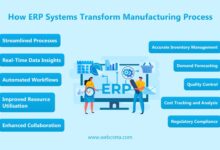
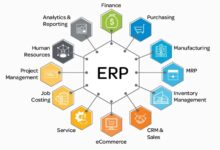
ERP software for manufacturing consolidates data from various departments into a single, unified system. This ensures real-time visibility and coordination across functions such as procurement, production, sales, finance, and human resources. Key functionalities include:
- Bill of Materials (BOM) management
- Production scheduling and shop floor control
- Inventory and warehouse management
- Quality assurance and compliance tracking
- Cost accounting and financial reporting
- Customer relationship management (CRM) integration
These features allow manufacturers to respond quickly to market changes, reduce lead times, and maintain high product quality.
Differences Between Generic ERP and Manufacturing ERP
While generic ERP systems are built for broad business operations, ERP software for manufacturing includes specialized modules that address industry-specific challenges. For example, discrete and process manufacturers require different tools for tracking production batches, managing raw materials, and handling product variants.
According to Gartner, manufacturing ERPs often include advanced planning and scheduling (APS), shop floor data collection, and integration with machinery via IoT (Internet of Things), which are rarely found in standard business ERPs.
“Manufacturing ERP systems bridge the gap between digital planning and physical production, enabling seamless flow from order to delivery.”
Top 7 Benefits of ERP Software for Manufacturing
Implementing the right ERP software for manufacturing can transform your operations. Here are seven powerful advantages that manufacturers experience after deployment.
1. Enhanced Operational Efficiency
One of the most immediate benefits of ERP software for manufacturing is the significant improvement in operational efficiency. By automating repetitive tasks such as data entry, order processing, and inventory updates, manufacturers reduce manual errors and free up staff for higher-value work.
For instance, automated production scheduling ensures optimal machine utilization and minimizes downtime. Real-time dashboards provide supervisors with instant insights into workflow bottlenecks, enabling faster decision-making.
- Reduction in redundant processes
- Improved coordination between departments
- Streamlined workflows from order entry to shipping
A study by McKinsey found that companies using integrated ERP systems report up to 25% higher operational efficiency compared to those relying on legacy systems.
2. Real-Time Inventory and Supply Chain Visibility
ERP software for manufacturing provides end-to-end visibility into inventory levels, supplier performance, and demand forecasts. This transparency allows manufacturers to maintain optimal stock levels, avoid overstocking or stockouts, and respond proactively to supply chain disruptions.
With features like barcode scanning, RFID tracking, and automated reorder points, inventory management becomes more accurate and less labor-intensive. Suppliers can be integrated directly into the system, enabling just-in-time (JIT) delivery models.
- Automated stock alerts and reorder triggers
- Integration with supplier portals
- Tracking of raw materials from source to finished goods
“Real-time inventory data reduces carrying costs by up to 30% and improves on-time delivery rates.” – Industry Benchmark Report, 2023
3. Improved Production Planning and Scheduling
Effective production planning is critical in manufacturing, where delays can cascade across the supply chain. ERP software for manufacturing includes advanced planning tools that consider machine availability, labor capacity, material lead times, and customer deadlines.
Finite capacity scheduling allows planners to visualize production loads and adjust timelines accordingly. This prevents overcommitting resources and ensures realistic delivery promises.
- Drag-and-drop scheduling interfaces
- Scenario modeling for demand spikes
- Integration with MES (Manufacturing Execution Systems)
Companies using ERP-driven scheduling report a 15–20% reduction in production lead times, according to ASCM (Association for Supply Chain Management).
4. Better Quality Control and Compliance
In regulated industries like pharmaceuticals, aerospace, and food production, maintaining quality standards is non-negotiable. ERP software for manufacturing includes built-in quality management systems (QMS) that track inspections, non-conformance reports, corrective actions, and audit trails.
Automated alerts notify teams when a batch fails quality checks, preventing defective products from moving down the line. Compliance documentation can be generated instantly for audits, reducing preparation time and risk of penalties.
- Track quality metrics across production batches
- Enforce standard operating procedures (SOPs)
- Support for ISO, FDA, and other regulatory standards
For example, a medical device manufacturer using ERP reduced its audit preparation time by 60% and improved first-pass yield by 18%.
5. Accurate Cost Tracking and Financial Management
Understanding true production costs is a challenge for many manufacturers. ERP software for manufacturing enables detailed cost accounting by tracking direct materials, labor, overhead, and machine usage at the job or batch level.
This granular data helps identify cost overruns, optimize pricing strategies, and improve profitability analysis. Integration with general ledger and accounts payable modules ensures financial data is always up to date.
- Job costing and variance analysis
- Real-time profit margin reporting
- Integration with payroll and tax systems
A survey by NetSuite revealed that 78% of manufacturers using ERP reported improved financial accuracy and faster month-end closing.
6. Scalability and Business Growth Support
As manufacturing businesses grow, their systems must scale accordingly. ERP software for manufacturing is designed to accommodate increased production volume, new product lines, additional facilities, and international expansion.
Cloud-based ERP solutions offer flexible licensing and on-demand upgrades, making it easier to adapt to changing business needs without massive IT investments.
- Support for multi-site and multi-currency operations
- Modular design allows phased implementation
- Scalable infrastructure via cloud providers like AWS or Azure
For example, a mid-sized manufacturer expanded into two new countries within 12 months of ERP implementation, leveraging the system’s multi-language and compliance features.
7. Data-Driven Decision Making
ERP software for manufacturing turns raw data into actionable insights. Built-in analytics and business intelligence (BI) tools allow executives to monitor KPIs such as Overall Equipment Effectiveness (OEE), on-time delivery rate, inventory turnover, and customer satisfaction.
Customizable dashboards provide real-time performance tracking, while predictive analytics can forecast demand trends and potential disruptions.
- Interactive reports and drill-down capabilities
- AI-powered forecasting models
- Integration with Power BI, Tableau, or Qlik
Manufacturers using ERP analytics report a 30% improvement in decision speed and a 22% increase in forecast accuracy.
Key Features to Look for in ERP Software for Manufacturing
Not all ERP systems are created equal. When selecting ERP software for manufacturing, it’s crucial to evaluate features that align with your production model, industry requirements, and long-term goals.
Bill of Materials (BOM) Management
The Bill of Materials is the backbone of manufacturing operations. A robust ERP system should support multi-level BOMs, engineering change orders (ECOs), and version control to manage complex product structures.
For discrete manufacturers, this means tracking assemblies, sub-assemblies, and components. For process manufacturers, it involves managing formulas, recipes, and batch sizes.
- Support for configurable and variant-based BOMs
- Integration with CAD/PLM systems
- Change management workflows
Without accurate BOM management, even minor errors can lead to production delays or costly rework.
Shop Floor Control and Data Collection
Real-time visibility into shop floor activities is essential for maintaining control over production. ERP software for manufacturing should offer tools for time tracking, machine monitoring, and work order status updates.
Modern systems support mobile data entry via tablets or smartphones, barcode scanners, and integration with SCADA or IoT devices for automated data capture.
- Real-time work order tracking
- Digital job travelers and routing sheets
- Integration with machine sensors for OEE monitoring
According to IHS Markit, manufacturers with shop floor integration achieve 12–18% higher productivity.
Supply Chain and Procurement Integration
A strong ERP system connects internal operations with external partners. Procurement modules should support vendor management, purchase order automation, and supplier performance analytics.
Integration with e-procurement platforms and EDI (Electronic Data Interchange) enables seamless communication with suppliers, reducing order cycle times and improving accuracy.
- Automated PO generation based on MRP
- Supplier scorecards and risk assessment
- Contract management and pricing agreements
This level of integration reduces procurement lead times by up to 40%, according to industry benchmarks.
Types of Manufacturing ERP Systems
ERP software for manufacturing comes in various forms, each suited to different production models and business sizes. Understanding these types helps in selecting the right solution.
Discrete Manufacturing ERP
Discrete manufacturing involves assembling distinct parts into finished products—such as cars, electronics, or furniture. ERP software for manufacturing in this sector must handle complex BOMs, serial number tracking, and assembly line scheduling.
Key features include:
- Work order management
- Routing and operations planning
- Warranty and service tracking
Examples include automotive parts suppliers and industrial equipment manufacturers.
Process Manufacturing ERP
Process manufacturing deals with products made through chemical or formula-based processes—like food, beverages, pharmaceuticals, or chemicals. ERP software for manufacturing in this space must manage recipes, batch processing, and ingredient traceability.
Critical capabilities include:
- Batch and lot tracking
- Yield variance analysis
- Regulatory compliance (e.g., FDA 21 CFR Part 11)
For example, a dairy processor uses ERP to track milk batches from farm to shelf, ensuring food safety and recall readiness.
Hybrid and Configure-to-Order (CTO) ERP
Some manufacturers operate in hybrid models, combining discrete and process elements. Others offer configure-to-order products, where customers customize features. ERP software for manufacturing must support flexible production models and dynamic BOM generation.
- Rule-based configuration engines
- Real-time pricing and lead time calculation
- Integration with CRM and e-commerce platforms
These systems are ideal for companies producing industrial machinery, custom electronics, or engineered-to-order products.
Implementation Challenges and How to Overcome Them
While ERP software for manufacturing offers immense benefits, implementation can be complex. Many projects face delays, budget overruns, or user resistance. Understanding common challenges helps ensure a smoother rollout.
Data Migration and System Integration
Migrating data from legacy systems is one of the biggest hurdles. Inaccurate or incomplete data can undermine the entire ERP deployment. A structured data cleansing and validation process is essential.
Additionally, integrating ERP with existing systems like MES, CRM, or payroll requires careful planning. APIs and middleware solutions can bridge gaps between platforms.
- Conduct a data audit before migration
- Use ETL (Extract, Transform, Load) tools for data transfer
- Test integrations in a sandbox environment
According to CIO.com, 60% of ERP failures are linked to poor data quality or integration issues.
User Adoption and Training
Even the best ERP software for manufacturing will fail if employees don’t use it properly. Resistance to change is common, especially among long-time staff accustomed to manual processes.
Comprehensive training programs, role-based tutorials, and ongoing support are critical. Involving end-users in the selection and testing phases increases buy-in.
- Develop a change management strategy
- Provide hands-on training and simulations
- Appoint internal ERP champions
Companies with strong training programs see user adoption rates above 90%, compared to 50% or lower without proper support.
Choosing the Right Vendor and Deployment Model
Selecting the right ERP vendor is crucial. Factors to consider include industry expertise, scalability, customer support, and total cost of ownership (TCO).
Deployment options include:
- On-Premise: Full control, higher upfront cost, requires IT infrastructure
- Cloud-Based: Lower initial cost, automatic updates, scalable, subscription model
- Hybrid: Combines on-premise and cloud elements for flexibility
For most mid-sized manufacturers, cloud ERP offers the best balance of cost, speed, and scalability. Vendors like SAP, Oracle, Microsoft Dynamics 365, and Infor offer specialized manufacturing solutions.
Future Trends in ERP Software for Manufacturing
The evolution of ERP software for manufacturing is accelerating, driven by digital transformation, artificial intelligence, and Industry 4.0 initiatives. Staying ahead of these trends ensures long-term competitiveness.
AI and Machine Learning Integration
Modern ERP systems are incorporating AI to enhance forecasting, detect anomalies, and optimize production schedules. Machine learning algorithms analyze historical data to predict equipment failures, demand fluctuations, and quality issues before they occur.
- Predictive maintenance alerts
- Dynamic pricing and inventory recommendations
- Automated root cause analysis for defects
For example, AI-powered ERP can suggest optimal production runs based on energy costs, labor availability, and machine health.
Internet of Things (IoT) and Smart Factories
ERP software for manufacturing is increasingly connected to IoT devices on the shop floor. Sensors on machines transmit real-time data to the ERP system, enabling live monitoring of performance, temperature, vibration, and energy consumption.
This integration supports the concept of the “smart factory,” where systems self-optimize and communicate autonomously.
- Real-time OEE tracking
- Automated downtime logging
- Energy efficiency optimization
According to McKinsey, IoT-enabled manufacturing can increase productivity by 10–25%.
Cloud and Mobile ERP Accessibility
Cloud-based ERP software for manufacturing is becoming the norm, offering anytime, anywhere access. Mobile apps allow supervisors to approve work orders, check inventory, or view dashboards from the shop floor or remote locations.
Benefits include:
- Faster response to production issues
- Improved collaboration across teams
- Lower IT maintenance costs
With 5G and edge computing, mobile ERP performance is improving, making it viable even in high-security or remote industrial environments.
Case Studies: Real-World Success with ERP Software for Manufacturing
Theoretical benefits are compelling, but real-world examples demonstrate the tangible impact of ERP software for manufacturing.
Case Study 1: Automotive Parts Manufacturer
A mid-sized automotive supplier struggled with delayed deliveries and inventory inaccuracies. After implementing a cloud-based ERP system with integrated MRP and shop floor control, they achieved:
- 28% reduction in inventory carrying costs
- 95% on-time delivery rate (up from 72%)
- 20% faster month-end closing
The system also enabled seamless integration with OEM customer portals, improving order visibility and collaboration.
Case Study 2: Food and Beverage Producer
A regional food processor faced challenges with batch traceability and compliance. By deploying an ERP solution with full lot tracking and quality management, they:
- Reduced recall response time from 48 hours to under 2 hours
- Improved yield by 15% through better recipe control
- Passed FDA audits with zero non-conformances
The ERP system also integrated with their warehouse management system (WMS), reducing picking errors by 40%.
Case Study 3: Industrial Equipment Builder
An engineered-to-order manufacturer needed a system to handle complex configurations and long production cycles. Their new ERP platform included:
- Configurator for custom product quotes
- Project-based costing and scheduling
- Integration with CAD and service management
Results included a 30% reduction in quotation time, 25% improvement in project profitability, and enhanced customer satisfaction due to better delivery tracking.
How to Choose the Right ERP Software for Manufacturing
Selecting the right ERP software for manufacturing requires a strategic approach. Follow these steps to ensure a successful implementation.
Assess Your Business Needs
Start by identifying your pain points: Is it inventory inaccuracy? Poor production visibility? Slow financial reporting? Define clear objectives for what you want the ERP to achieve.
- Map current processes and identify inefficiencies
- Engage stakeholders from all departments
- Prioritize must-have vs. nice-to-have features
Evaluate Vendor Solutions
Shortlist vendors that specialize in manufacturing ERP. Request demos, ask for customer references, and evaluate their industry experience.
- Compare deployment options (cloud, on-premise, hybrid)
- Review total cost of ownership (licensing, training, support)
- Assess scalability and upgrade paths
Plan for Implementation and Support
Develop a detailed project plan with timelines, milestones, and responsibilities. Allocate budget for data migration, training, and change management.
- Choose a phased rollout (e.g., finance first, then production)
- Establish a dedicated project team
- Negotiate service level agreements (SLAs) with the vendor
Post-implementation support is critical—ensure the vendor offers ongoing training, updates, and technical assistance.
What is ERP software for manufacturing?
ERP software for manufacturing is a specialized digital platform that integrates core business processes such as production planning, inventory management, quality control, and financials into a single system tailored for manufacturing operations.
What are the main benefits of using ERP in manufacturing?
Key benefits include improved operational efficiency, real-time inventory visibility, better production scheduling, enhanced quality control, accurate cost tracking, scalability, and data-driven decision-making.
How long does it take to implement ERP software for manufacturing?
Implementation time varies based on complexity, but typically ranges from 3 to 12 months. Cloud-based systems can be deployed faster than on-premise solutions.
Is cloud ERP safe for manufacturing companies?
Yes, reputable cloud ERP providers use advanced security measures like encryption, multi-factor authentication, and regular audits to protect data. Many offer better security than on-premise systems.
Can ERP software integrate with existing machinery and systems?
Yes, modern ERP software for manufacturing supports integration with MES, SCADA, IoT devices, CRM, and WMS through APIs and middleware, enabling seamless data flow across platforms.
ERP software for manufacturing is no longer just a back-office tool—it’s a strategic asset that drives efficiency, compliance, and growth. From streamlining production to enabling smart factories, the right ERP system empowers manufacturers to stay agile in a competitive global market. By understanding its benefits, features, and implementation best practices, businesses can make informed decisions that deliver long-term value. Whether you’re a small job shop or a multinational manufacturer, investing in the right ERP solution is a powerful step toward operational excellence.
Further Reading:
