Choosing the right ERP system can make or break your enterprise. In this comprehensive enterprise erp software comparison, we break down the top platforms, features, pricing, and real-world performance to help you make a data-driven decision.
Understanding Enterprise ERP Software Comparison

An enterprise erp software comparison isn’t just about listing features—it’s about aligning technology with business strategy. As organizations grow, their operational complexity increases exponentially. Departments like finance, HR, supply chain, manufacturing, and sales need seamless integration, real-time data access, and scalable architecture. This is where enterprise-grade ERP systems come in.



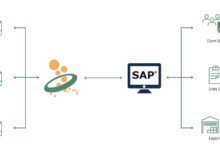
Unlike small business ERP tools, enterprise solutions are built for high-volume transactions, global compliance, multi-currency support, and integration with legacy systems. They serve large organizations with multiple locations, subsidiaries, and complex workflows. When conducting an enterprise erp software comparison, decision-makers must evaluate not only functionality but also deployment models, total cost of ownership (TCO), vendor reliability, and long-term scalability.
What Defines an Enterprise ERP System?
Enterprise ERP systems are distinguished by their depth, scalability, and integration capabilities. They are designed to support large, complex organizations with thousands of users across multiple geographies. Key characteristics include:
- Comprehensive module coverage (finance, HR, supply chain, manufacturing, CRM, analytics)
- High availability and fault-tolerant architecture
- Advanced security and role-based access controls
- Support for global operations (multi-language, multi-currency, tax compliance)
- API-first design for integration with third-party systems
- AI and machine learning capabilities for predictive analytics
According to Gartner’s 2023 Market Guide for ERP, the shift toward cloud-native platforms has redefined what enterprises expect from ERP vendors. The guide emphasizes that modern ERP systems must offer agility, continuous innovation, and embedded intelligence.
Why Enterprise ERP Software Comparison Matters
Implementing the wrong ERP system can lead to costly delays, operational inefficiencies, and employee resistance. A thorough enterprise erp software comparison helps organizations avoid these pitfalls by providing a structured evaluation framework. Factors such as user experience, implementation timelines, vendor support, and upgrade frequency play a critical role in long-term success.
For example, a global manufacturer might prioritize supply chain visibility and production scheduling, while a multinational retailer may focus on inventory optimization and omnichannel integration. A one-size-fits-all approach doesn’t work. That’s why a detailed comparison tailored to your industry and business model is essential.
enterprise erp software comparison – Enterprise erp software comparison menjadi aspek penting yang dibahas di sini.
“ERP is no longer just a back-office system—it’s the digital backbone of the enterprise.” — Gartner
Top 7 Enterprise ERP Platforms in 2024
In this enterprise erp software comparison, we analyze the seven most dominant platforms in the market: SAP S/4HANA, Oracle ERP Cloud, Microsoft Dynamics 365 Finance & Operations, Infor CloudSuite, Workday Financial Management, IFS Applications, and Epicor Kinetic. Each offers unique strengths, deployment options, and industry specializations.
These platforms have been evaluated based on functionality, scalability, user experience, integration capabilities, AI adoption, customer support, and total cost of ownership. The goal is to provide a balanced, fact-based view to support your decision-making process.
SAP S/4HANA: The Industry Standard
SAP S/4HANA remains the gold standard in enterprise ERP software. Built on the in-memory SAP HANA database, it delivers real-time processing, advanced analytics, and AI-driven insights. It’s widely adopted in manufacturing, energy, utilities, and professional services.
SAP offers both cloud and on-premise deployment models, though the company is pushing hard toward cloud adoption. S/4HANA’s modular design allows organizations to start with core finance and expand into supply chain, manufacturing, and R&D.
One of its standout features is the Fiori UX, which provides a modern, role-based interface across devices. SAP also integrates deeply with its ecosystem of solutions, including SuccessFactors (HR), Ariba (procurement), and Concur (travel & expense).
However, SAP is often criticized for its complexity and high implementation costs. According to Panorama Consulting, the average SAP S/4HANA implementation takes 14–18 months and costs between $5M and $20M for large enterprises. Despite this, SAP maintains a 25% market share in the global ERP space.
Learn more about SAP’s latest innovations at SAP S/4HANA Official Page.
enterprise erp software comparison – Enterprise erp software comparison menjadi aspek penting yang dibahas di sini.
Oracle ERP Cloud: Power and Precision
Oracle ERP Cloud is a fully integrated suite that covers financials, procurement, project management, and risk compliance. It’s built on Oracle’s autonomous database, which uses machine learning to self-tune, self-patch, and optimize performance.
Oracle excels in financial reporting and compliance, making it a top choice for regulated industries like healthcare, government, and financial services. Its AI-powered forecasting and automated journal entries reduce manual work and improve accuracy.
The platform offers strong integration with Oracle’s other cloud applications, including HCM Cloud and Supply Chain Management (SCM). Oracle also provides industry-specific templates for faster deployment in sectors like construction, education, and retail.
One drawback is its user interface, which some users find less intuitive than competitors like Microsoft or Workday. However, Oracle has been investing heavily in UX improvements, including mobile access and voice-assisted workflows.
For more details, visit Oracle ERP Cloud.
Microsoft Dynamics 365: Seamless Integration
Microsoft Dynamics 365 Finance & Operations stands out for its deep integration with the Microsoft ecosystem—especially Azure, Power BI, Office 365, and Teams. This makes it a natural fit for organizations already invested in Microsoft technologies.
Dynamics 365 offers modular ERP capabilities with strong financials, supply chain, and manufacturing modules. Its low-code platform (Power Platform) allows businesses to customize workflows without heavy coding, reducing dependency on IT teams.
enterprise erp software comparison – Enterprise erp software comparison menjadi aspek penting yang dibahas di sini.
The platform is particularly popular in mid-to-large enterprises in manufacturing, distribution, and professional services. Microsoft has also enhanced its AI capabilities, including predictive maintenance, demand forecasting, and intelligent expense management.
One of the biggest advantages is its pricing transparency and flexible licensing. Unlike SAP or Oracle, Microsoft offers predictable subscription models with fewer hidden costs. Implementation timelines are also shorter, averaging 6–12 months.
Explore more at Microsoft Dynamics 365.
Key Evaluation Criteria in Enterprise ERP Software Comparison
When comparing enterprise ERP systems, it’s crucial to go beyond surface-level features. A strategic enterprise erp software comparison should focus on criteria that impact long-term success. These include scalability, deployment options, integration capabilities, user adoption, and total cost of ownership.
Let’s break down each of these factors in detail.
Scalability and Performance
Enterprise ERP systems must handle massive data volumes and thousands of concurrent users without performance degradation. Scalability isn’t just about adding more users—it’s about maintaining responsiveness as data grows.
SAP S/4HANA, for instance, leverages in-memory computing to process transactions and analytics in real time. Oracle ERP Cloud uses autonomous scaling to adjust resources based on demand. Microsoft Dynamics 365 runs on Azure, which offers global scalability and high availability.
enterprise erp software comparison – Enterprise erp software comparison menjadi aspek penting yang dibahas di sini.
When evaluating scalability, ask:
- Can the system support peak transaction loads?
- Does it offer horizontal scaling (adding more servers) or vertical scaling (upgrading existing hardware)?
- How does performance degrade as data volume increases?
Vendors should provide performance benchmarks and case studies from similar-sized organizations.
Deployment Models: Cloud vs On-Premise vs Hybrid
One of the most critical decisions in an enterprise erp software comparison is the deployment model. Options include:
- Cloud (SaaS): Hosted and managed by the vendor. Offers faster deployment, automatic updates, and lower upfront costs.
- On-Premise: Installed and maintained in-house. Provides full control over data and customization but requires significant IT resources.
- Hybrid: Combines cloud and on-premise components. Useful for organizations with legacy systems or strict data residency requirements.
According to Gartner, over 70% of new ERP implementations in 2024 are cloud-based. The trend is driven by faster time-to-value, reduced IT overhead, and continuous innovation.
However, some industries—like defense, banking, and utilities—still prefer on-premise solutions due to regulatory and security concerns. A hybrid approach allows them to keep sensitive data on-premise while leveraging cloud for non-critical functions.
“The future of ERP is cloud-first, but not cloud-only.” — IDC
Integration and Interoperability
No ERP system operates in isolation. It must integrate with CRM, HRIS, e-commerce platforms, IoT devices, and analytics tools. A robust API strategy is essential.
Modern ERP platforms offer RESTful APIs, pre-built connectors, and integration platforms (like MuleSoft for Salesforce or Azure Logic Apps for Microsoft). SAP provides the SAP Integration Suite, while Oracle offers Oracle Integration Cloud (OIC).
enterprise erp software comparison – Enterprise erp software comparison menjadi aspek penting yang dibahas di sini.
When comparing integration capabilities, consider:
- Number of pre-built connectors available
- Ease of creating custom integrations
- Support for real-time vs batch data synchronization
- Middleware requirements
Poor integration leads to data silos, manual workarounds, and reporting inaccuracies. Ensure the ERP vendor has a strong ecosystem and developer community.
Industry-Specific ERP Solutions
While many ERP platforms offer generic functionality, industry-specific needs require tailored solutions. A manufacturing company needs shop floor control and bill of materials (BOM) management, while a healthcare provider needs patient billing and regulatory compliance.
In this enterprise erp software comparison, we highlight how leading platforms serve key industries.
Manufacturing: SAP vs Infor vs Epicor
For discrete and process manufacturing, ERP systems must support production planning, quality control, maintenance, and supply chain coordination.
SAP S/4HANA excels in complex manufacturing environments, offering advanced planning and optimization (APO) and digital twin capabilities. Infor CloudSuite Industrial (formerly SyteLine) is purpose-built for mid-sized manufacturers, with strong shop floor control and inventory tracking.
Epicor Kinetic, built on AWS, offers cloud-native manufacturing ERP with AI-driven demand forecasting and predictive maintenance. It’s particularly popular in automotive, aerospace, and industrial equipment sectors.
enterprise erp software comparison – Enterprise erp software comparison menjadi aspek penting yang dibahas di sini.
When comparing these for manufacturing, consider:
- Production scheduling accuracy
- Shop floor data collection (via IoT or mobile)
- Bill of materials (BOM) and routing management
- Quality management and non-conformance tracking
Learn more about Infor’s manufacturing solutions at Infor CloudSuite.
Retail and Distribution: Oracle vs Microsoft
Retailers need real-time inventory visibility, omnichannel order management, and demand forecasting. Oracle Retail provides specialized modules for merchandising, allocation, and store operations.
Microsoft Dynamics 365 Commerce integrates with ERP and supply chain modules to provide a unified view of inventory, orders, and customer data. It supports click-and-collect, ship-from-store, and personalized promotions.
Both platforms offer AI-powered replenishment and markdown optimization. However, Microsoft’s integration with Azure AI and Power BI gives it an edge in analytics and customer insights.
For global retailers, multi-currency and tax compliance are critical. Oracle has stronger support for international tax regulations, while Microsoft offers faster deployment through standardized templates.
Professional Services: Workday vs SAP
Professional services firms—like consulting, engineering, and architecture—require robust project accounting, resource management, and time tracking.
enterprise erp software comparison – Enterprise erp software comparison menjadi aspek penting yang dibahas di sini.
Workday Financial Management is built for services organizations, with deep integration between financials and human capital management (HCM). It offers real-time project profitability, resource scheduling, and client billing.
SAP S/4HANA also supports project systems (PS) and resource management, but requires more configuration. However, SAP’s global footprint makes it ideal for multinational firms with complex compliance needs.
Workday’s strength lies in its user experience and real-time analytics. Its mobile app allows consultants to log time and expenses from the field, improving data accuracy and cash flow.
Total Cost of Ownership (TCO) Analysis
One of the most overlooked aspects of enterprise erp software comparison is total cost of ownership (TCO). While subscription fees are visible, hidden costs can add up quickly.
TCO includes:
- Licensing and subscription fees
- Implementation and consulting costs
- Customization and integration expenses
- Training and change management
- Ongoing support and maintenance
- Infrastructure (for on-premise)
- Upgrade costs
Hidden Costs in ERP Implementations
Many organizations underestimate implementation costs. According to Panorama Consulting, 60% of ERP projects exceed their budget, with an average overrun of 40%.
Common hidden costs include:
enterprise erp software comparison – Enterprise erp software comparison menjadi aspek penting yang dibahas di sini.
- Data migration from legacy systems
- Custom report development
- Third-party integration tools
- Extended project timelines due to scope creep
- Post-go-live support and troubleshooting
For example, SAP implementations often require expensive consultants with niche expertise. Oracle may charge extra for advanced analytics modules. Microsoft’s licensing can become complex when combining Dynamics 365 with Power Platform and Azure services.
Vendor Pricing Models Compared
Let’s compare the pricing models of top vendors:
- SAP: Subscription-based (cloud) or perpetual license (on-premise). Cloud pricing starts at $150/user/month but can exceed $300 for full-suite access.
- Oracle: Subscription model with tiered pricing based on modules. Average cost: $120–$200/user/month.
- Microsoft: Transparent per-user pricing. Dynamics 365 Finance starts at $190/user/month. Add-ons like Supply Chain or Human Resources cost extra.
- Workday: Fully subscription-based. Pricing is not publicly listed but estimated at $200–$250/user/month.
- Infor: Subscription model with industry-specific pricing. Typically $100–$180/user/month.
- Epicor: Cloud pricing starts at $80/user/month, making it one of the most cost-effective for mid-sized enterprises.
While Epicor appears cheaper, ensure it meets all functional requirements. Underestimating needs can lead to costly add-ons later.
“The cheapest ERP is the one that meets your needs without requiring massive customization.” — ERP Analyst
User Experience and Adoption Rates
No matter how powerful an ERP system is, it fails if users don’t adopt it. Poor user experience leads to workarounds, data inaccuracies, and low ROI.
In this enterprise erp software comparison, we evaluate the user experience (UX) of leading platforms.
Modern UX Design in ERP Systems
Modern ERP systems are moving away from clunky, form-based interfaces to intuitive, role-based dashboards. Key UX trends include:
- Mobile-first design
- Voice and chatbot assistants
- Personalized dashboards
- Embedded analytics and AI recommendations
- Self-service portals
Workday and Microsoft lead in UX design. Workday’s clean interface and natural language reporting make it easy for non-technical users. Microsoft’s integration with Teams allows employees to approve expenses or view reports without leaving their workflow.
enterprise erp software comparison – Enterprise erp software comparison menjadi aspek penting yang dibahas di sini.
SAP’s Fiori UX has improved significantly but still requires training for complex transactions. Oracle’s UI is functional but less visually appealing.
Training and Change Management
User adoption isn’t just about design—it’s about change management. Successful ERP implementations invest in:
- Role-based training programs
- Super-user networks
- Phased rollouts
- Ongoing support and feedback loops
Microsoft and Workday offer extensive online training portals. SAP provides SAP Learning Hub. Oracle University offers certification programs.
Companies that skip training often see adoption rates below 50%. Best practices include simulating real-world scenarios and measuring user proficiency before go-live.
Future Trends Shaping Enterprise ERP
The ERP landscape is evolving rapidly. In this enterprise erp software comparison, we can’t ignore emerging trends that will redefine enterprise software in the next 3–5 years.
AI and Machine Learning Integration
AI is no longer a nice-to-have—it’s a core ERP capability. Top platforms now offer:
- Intelligent automation (e.g., invoice matching, journal entries)
- Predictive analytics (e.g., cash flow forecasting, inventory optimization)
- Chatbots for employee self-service (e.g., HR queries, IT tickets)
- Anomaly detection in financial transactions
SAP’s AI suite includes document intelligence and predictive maintenance. Oracle uses AI for autonomous database tuning and fraud detection. Microsoft leverages Azure AI for demand forecasting and sentiment analysis.
enterprise erp software comparison – Enterprise erp software comparison menjadi aspek penting yang dibahas di sini.
The key is not just having AI features, but ensuring they are embedded into workflows and deliver measurable ROI.
Low-Code and Hyperautomation
Low-code platforms allow business users to build custom workflows without IT help. Microsoft’s Power Platform, Oracle’s Visual Builder, and SAP’s Build are leading this trend.
Hyperautomation combines RPA (robotic process automation), AI, and low-code to automate end-to-end processes. For example, automating purchase-to-pay or order-to-cash cycles.
Organizations using hyperautomation report 30–50% reduction in manual effort. When comparing ERP systems, evaluate their low-code capabilities and ecosystem partnerships (e.g., UiPath, Automation Anywhere).
Sustainability and ESG Reporting
Environmental, Social, and Governance (ESG) reporting is becoming a core ERP function. SAP offers sustainability performance management, tracking carbon emissions across the supply chain. Oracle provides ESG analytics and compliance dashboards.
Microsoft is integrating ESG metrics into Dynamics 365, allowing companies to measure and report on sustainability goals. This is critical for regulatory compliance and investor relations.
Future ERP systems will not just track financial performance but also environmental and social impact.
enterprise erp software comparison – Enterprise erp software comparison menjadi aspek penting yang dibahas di sini.
Conclusion: Making the Right Choice
An enterprise erp software comparison is a complex but necessary process. There is no single “best” ERP system—only the best fit for your organization’s size, industry, and strategic goals.
SAP S/4HANA remains the leader for large, global enterprises with complex operations. Oracle ERP Cloud excels in financial precision and compliance. Microsoft Dynamics 365 offers seamless integration for Microsoft-centric organizations. Workday is ideal for services firms. Infor, Epicor, and IFS serve niche industries with tailored functionality.
When making your decision, focus on long-term value, not just upfront cost. Evaluate scalability, user experience, integration, and vendor support. Involve stakeholders from finance, IT, operations, and HR in the evaluation process.
Finally, remember that ERP is not a one-time project—it’s a continuous journey of optimization and innovation.
What is the most important factor in an enterprise ERP software comparison?
The most important factor is alignment with your business strategy and operational needs. While features and cost matter, the ERP system must support your long-term goals, whether that’s global expansion, digital transformation, or sustainability.
Which ERP system is best for large manufacturing companies?
enterprise erp software comparison – Enterprise erp software comparison menjadi aspek penting yang dibahas di sini.
SAP S/4HANA is widely regarded as the top choice for large manufacturing firms due to its advanced planning, production control, and supply chain capabilities. However, Infor CloudSuite and Epicor Kinetic are strong alternatives, especially for mid-sized manufacturers seeking cloud agility.
Is cloud ERP more secure than on-premise?
Cloud ERP is often more secure than on-premise because vendors invest heavily in cybersecurity, encryption, and compliance certifications. However, data residency and regulatory requirements may still necessitate on-premise or hybrid models for certain industries.
How long does an enterprise ERP implementation take?
Implementation timelines vary by vendor and scope. Cloud ERP projects typically take 6–12 months, while on-premise SAP or Oracle implementations can take 12–24 months. Factors like data migration, customization, and change management influence duration.
Can ERP systems integrate with AI and automation tools?
Yes, modern ERP systems are designed to integrate with AI, machine learning, and robotic process automation (RPA) tools. Leading platforms like SAP, Oracle, and Microsoft offer embedded AI features and open APIs for third-party automation solutions.
Choosing the right ERP system is one of the most strategic decisions an enterprise can make. By conducting a thorough enterprise erp software comparison, you lay the foundation for operational excellence, innovation, and sustainable growth.
Further Reading:
